Discover how Havina Hair crafts premium Vietnamese human hair wigs for African salons, wig sellers, and wholesale buyers, from raw hair sourcing to lace options, density, styling, and quality control.
Vietnamese Human Hair Wigs for African Salons: Inside Havina Hair’s Premium Wig Crafting Process
For many African salon owners, wig sellers, and beauty entrepreneurs, the biggest challenge is not simply finding human hair wigs. The real challenge is finding wigs that stay soft, full, natural-looking, and beautiful after customers wear, wash, and style them.
A high-quality wig should not only look good in product photos. It should match the customer’s skin tone, feel comfortable in hot weather, stay full at the ends, and help your salon or wig business build trust with repeat buyers.
At Havina Hair, we specialize in premium Vietnamese human hair wigs for international wholesale clients, including salon owners, wig brands, and hair resellers in African markets. In this article, we will walk you through our step-by-step wig crafting process and explain what makes a high-quality human hair wig worth the investment.
Why African Wig Sellers Need Consistent Wig Quality
In many African beauty markets, customers care deeply about hair quality, volume, lace appearance, and long-lasting softness. A wig that tangles quickly, sheds too much, or has lace that does not blend well with darker skin tones can easily affect a salon’s reputation.
That is why choosing the right human hair wig supplier is so important.
For African salon owners and wig sellers, a reliable supplier should provide:
At Havina Hair, our goal is not only to produce beautiful wigs, but also to help our clients build a hair business that customers can trust.
Step 1: Sourcing Premium Vietnamese Raw Hair
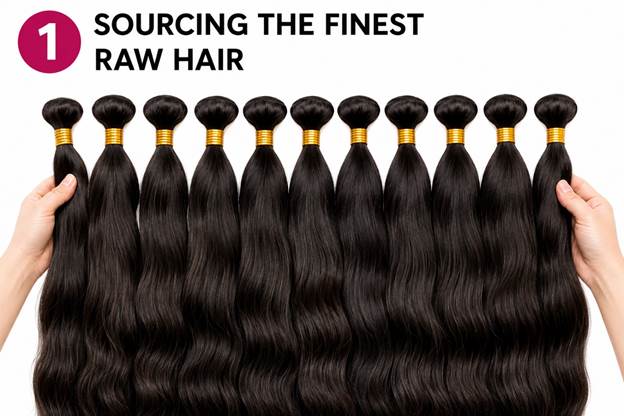
The foundation of every luxury human hair wig starts with the quality of the raw hair.
At Havina Hair, we use Vietnamese raw hair, known for its natural strength, thickness, softness, and durability. This type of hair is highly valued because it can hold texture well, withstand styling, and maintain a natural appearance over time.
For African markets, this is especially important because many customers prefer wigs that look full, smooth, and polished, while still being flexible enough for heat styling, curling, straightening, or restyling.
To preserve quality, the hair is collected carefully and kept in the correct direction. This helps maintain cuticle alignment, which is one of the most important factors in reducing tangling and improving the lifespan of the wig.
Step 2: Sorting Hair by Length, Texture, and Color
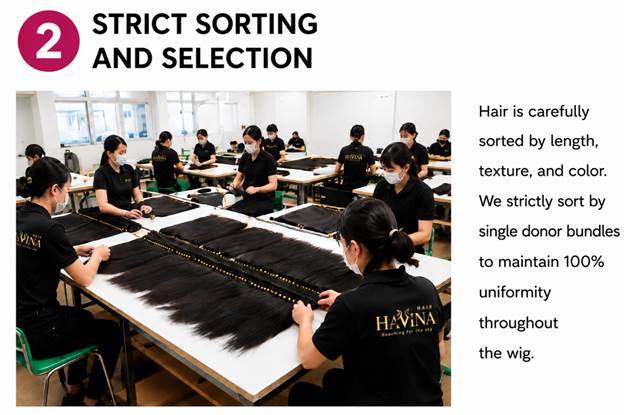
Not all raw hair can be used immediately for premium wig production.
Once the hair arrives at our facility, it goes through a strict sorting process. Our team carefully separates the hair by length, texture, color, and overall condition.
This step is important for African salon owners and wig sellers because customers often expect wigs to look thick, even, and luxurious from root to tip. Uneven hair, mixed textures, or thin ends can make the wig look lower quality and harder to sell.
For selected premium orders, we also work with single-donor hair bundles. This helps create a more uniform texture throughout the wig and gives the final product a more natural, high-end finish.
Step 3: Gentle Cleaning and Sanitization
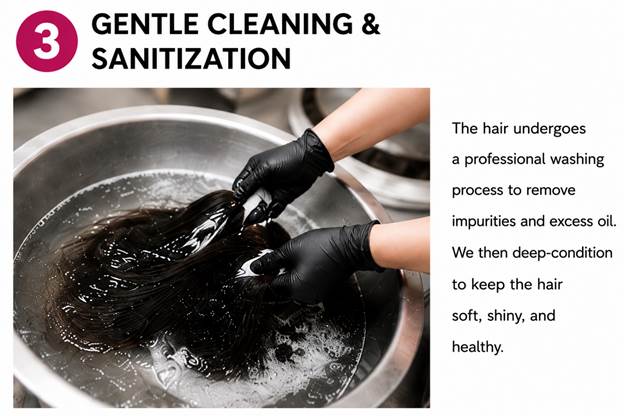
Before crafting begins, the hair must be properly cleaned.
The raw hair is washed using a gentle, temperature-controlled process to remove dust, oil, and environmental residue. Instead of using harsh treatment that may damage the hair, we focus on preserving the natural cuticle and softness of the strands.
After washing, the hair is carefully conditioned to restore moisture and maintain a smooth, healthy feel.
For customers in warm or humid climates, hair softness and manageability are very important. A good wig should remain easy to comb, easy to style, and comfortable for daily wear when properly cared for.
Step 4: Drawing and Cuticle Alignment
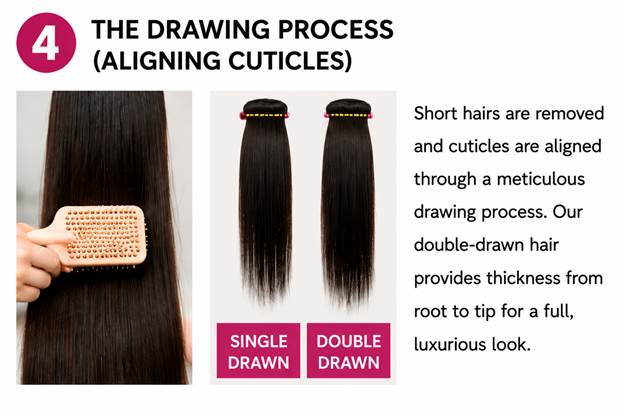
The drawing process is one of the key steps that separates a premium wig from a lower-quality one.
During this stage, the hair is repeatedly combed and refined to remove short, weak, or uneven strands. The goal is to keep the hair aligned in the same direction and create a fuller, cleaner bundle.
At Havina Hair, we offer double-drawn hair options for clients who want a thick and luxurious look from top to bottom. Double-drawn hair means many shorter hairs are removed, allowing the wig to appear fuller from root to tip.
This is especially valuable for African wig sellers because many customers love voluminous styles such as bone straight, body wave, deep wave, water wave, and curly wigs. A full, thick finish can make the wig look more premium and easier to sell.
Step 5: Designing the Wig Cap
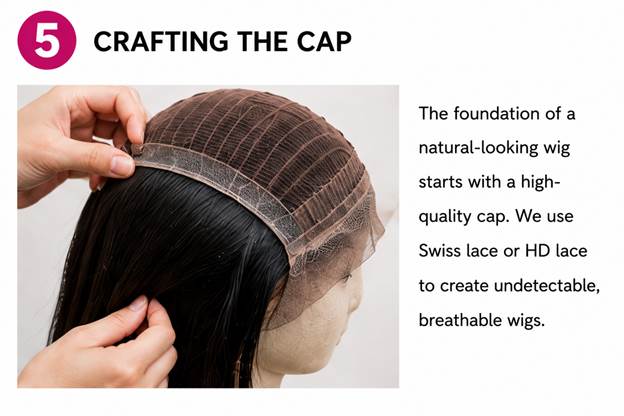
A high-quality wig is not only about the hair. The cap construction plays a major role in comfort, durability, and natural appearance.
Depending on the customer’s needs, Havina Hair can produce different wig types, including lace front wigs, full lace wigs, closure wigs, frontal wigs, and machine-made wigs.
For African markets, cap design is especially important because customers often care about:
Choosing the right cap construction helps salon owners offer wigs that are easier to install, more comfortable to wear, and more natural-looking for their customers.
Step 6: Lace Options and Skin Tone Matching
One of the most important details for African wig customers is the lace.
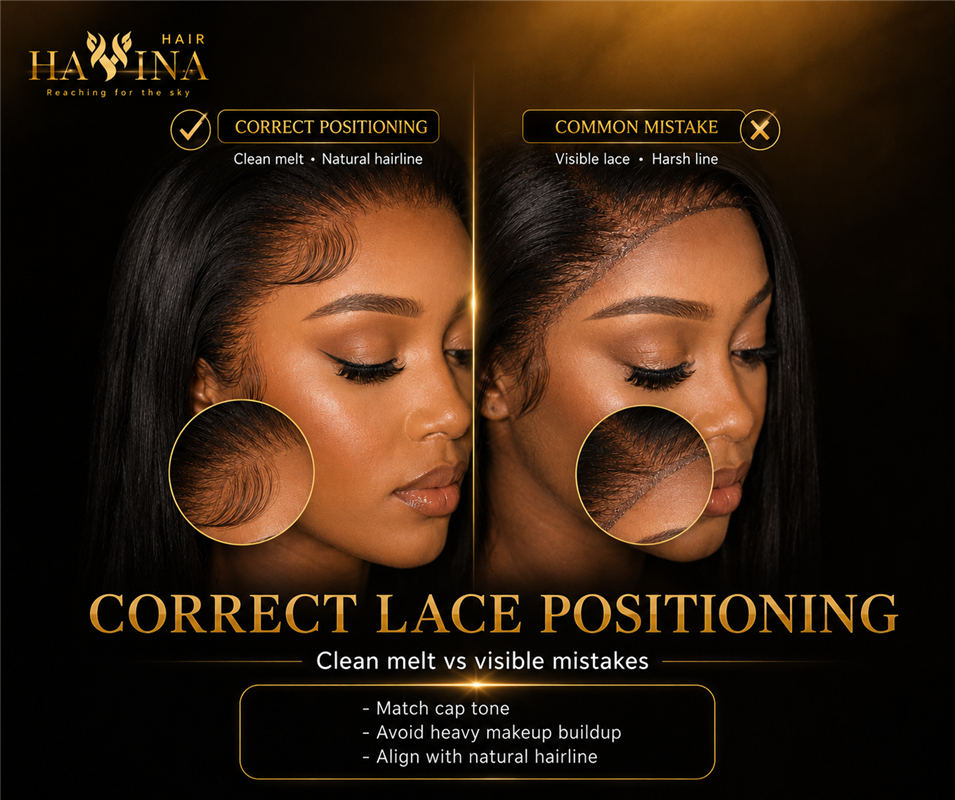
A beautiful wig can still look unnatural if the lace does not blend well with the customer’s skin tone. For clients with darker skin tones, lace choice, knot work, and hairline finishing can make a big difference.
At Havina Hair, we can discuss lace options based on your target market and product requirements, including lace front wigs, closure wigs, frontal wigs, and full lace wigs.
For African salon owners and wig sellers, this helps create wigs that look more realistic after installation and give customers more confidence when wearing them.
A natural hairline is not just a small detail. It can be the reason a customer chooses your salon again.
Step 7: Hand-Tying and Ventilation
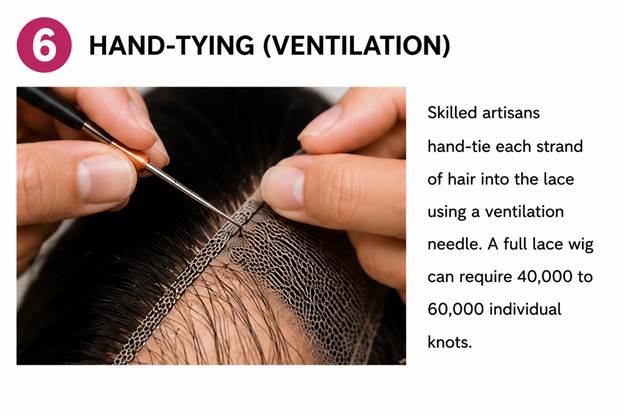
For premium lace wigs, ventilation is one of the most delicate and time-consuming stages.
Skilled workers use a small ventilation needle to hand-tie individual hair strands into the lace. This technique helps create the appearance of hair growing naturally from the scalp.
The hand-tied method allows the hair to move more naturally and gives the wig a realistic hairline, especially around the front lace area.
For African salon clients who want a clean, natural install, this stage is extremely important. A well-ventilated wig can help the lace area look softer, flatter, and more natural after styling.
Step 8: Machine Construction for Durability
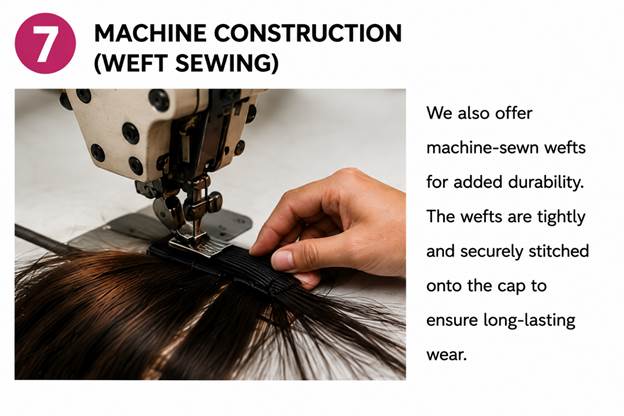
For some wig styles, machine-sewn wefts are used to improve structure and durability.
Machine construction is often chosen for everyday wigs because it provides a secure base while keeping the wig more cost-effective for wholesale production. This method is especially suitable for wig sellers who need stable quality, repeat orders, and competitive pricing.
For African resellers and salon owners, machine-made wigs can be a practical option for customers who want beautiful human hair wigs at a more accessible price point.
At Havina Hair, we help clients choose the right construction method depending on their market, budget, and target customers.
Step 9: Styling, Hairline Trimming, and Final Shaping
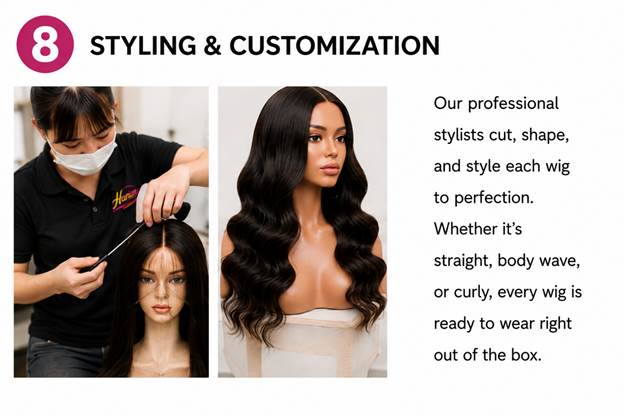
After construction, the wig moves to the styling stage.
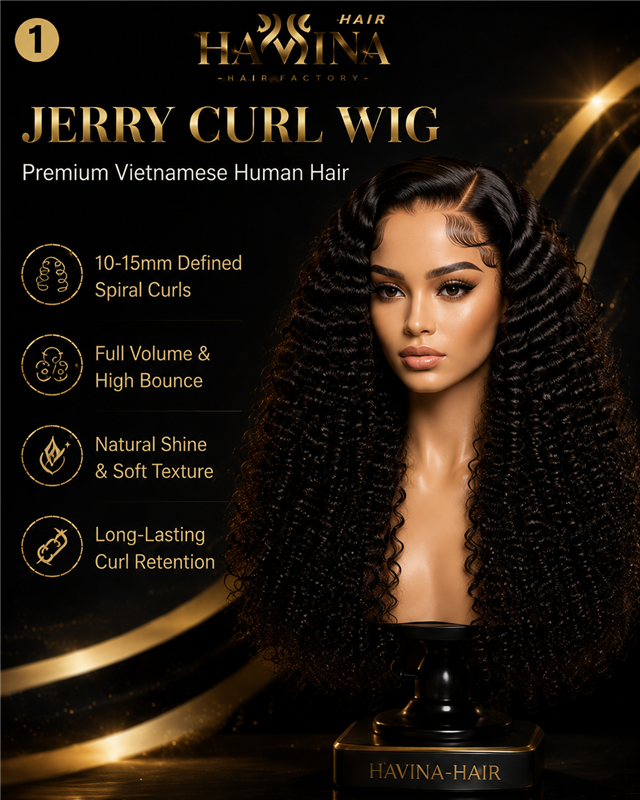
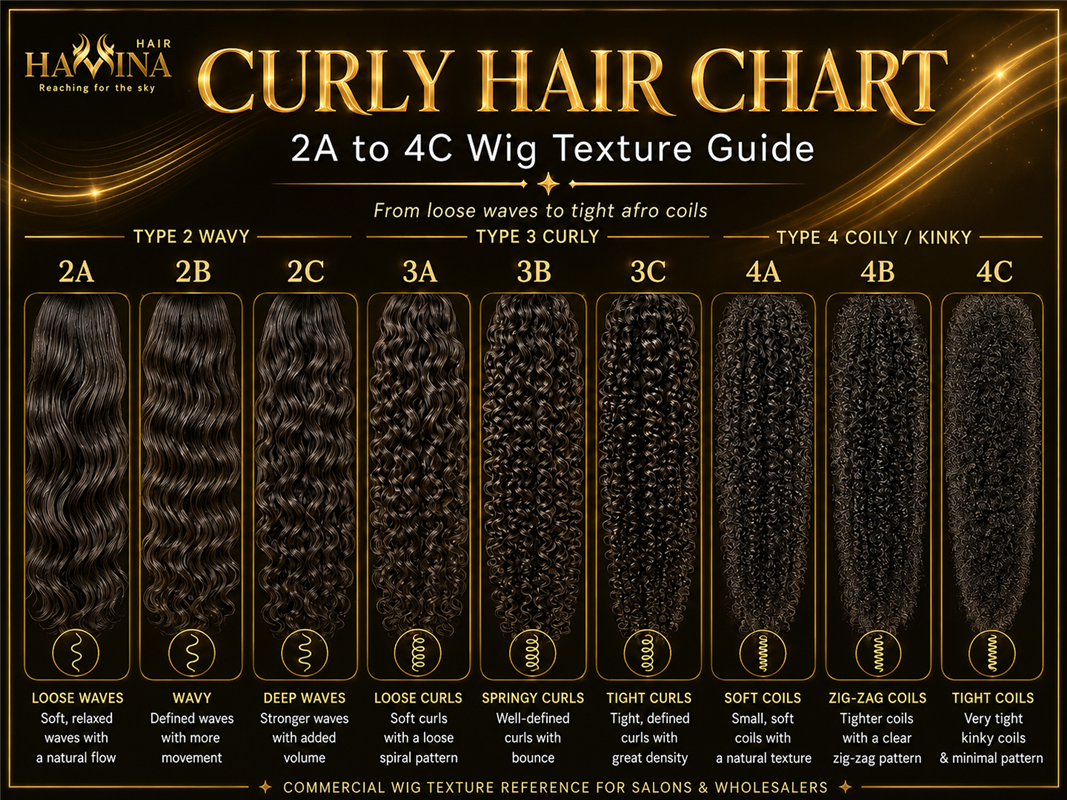
Our team shapes the wig according to the requested look, including straight, body wave, deep wave, water wave, curly, or custom textures.
For many African markets, popular wig styles often include:
The hairline may be trimmed, the layers may be cut, and the overall shape is refined to make the wig look natural and market-ready.
For wholesale clients, this step helps reduce preparation time before reselling or delivering the wig to salon customers.
Step 10: Strict Quality Control Before Shipping
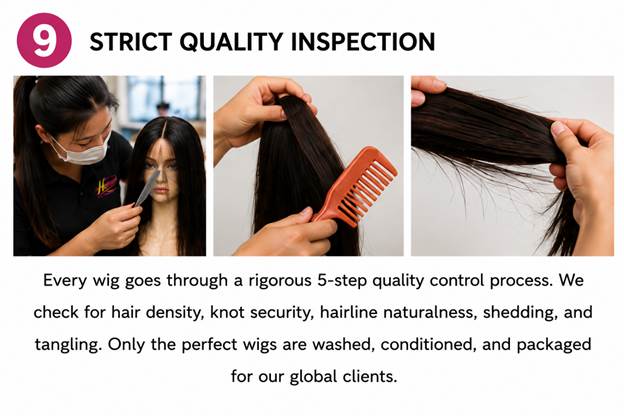
Before any Havina Hair wig is packed and shipped, it must pass our quality inspection process.
Our team checks key details such as:
For African salon owners and wig sellers, this quality control process is essential. It helps reduce customer complaints, protect your brand reputation, and ensure your customers receive wigs that look and feel premium.
A good wig should help your customer feel confident, and it should help your business earn repeat orders.
Why Premium Vietnamese Human Hair Wigs Are Worth the Investment
A high-quality human hair wig requires more than beautiful hair.
It takes carefully selected raw materials, skilled sorting, gentle cleaning, cuticle alignment, professional cap construction, hand-tied lace work, styling, and strict quality control.
This is why premium Vietnamese human hair wigs are considered a long-term investment for salons, wig brands, and beauty businesses.
Compared with synthetic wigs or mixed-hair products, premium raw Vietnamese hair wigs offer:
When your customers receive a wig that looks natural, feels soft, and lasts longer, they are more likely to return, recommend your business, and trust your brand.
Wholesale Human Hair Wigs for African Salons and Wig Sellers
At Havina Hair, we understand that every market has different needs.
Some African salon owners need premium lace wigs for high-end clients. Some wig sellers need best-selling styles for fast-moving inventory. Some resellers want sample orders before placing larger wholesale orders.
That is why we support clients with flexible options depending on their business needs.
We can help you discuss:
Whether you are starting a wig business or expanding your salon product line, Havina Hair can help you choose suitable Vietnamese human hair wigs for your customers.
Partner with Havina Hair
At Havina Hair, we are more than a human hair wig supplier. We are a Vietnamese hair manufacturer focused on quality, consistency, and long-term cooperation with international clients.
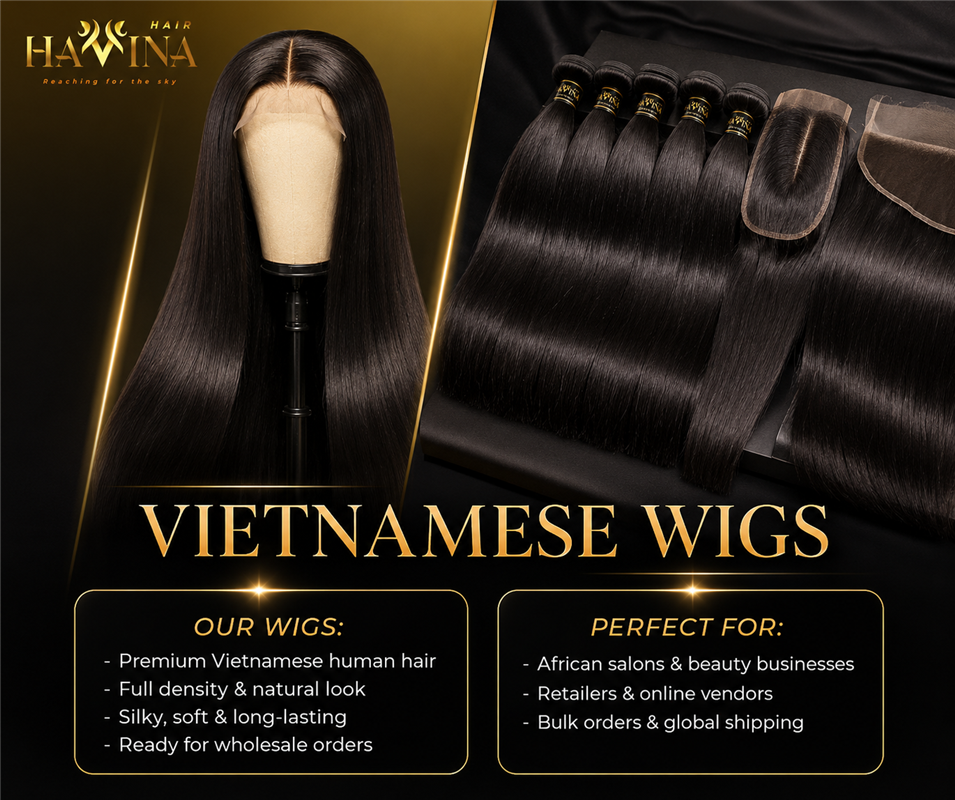
If you are a salon owner, wig seller, distributor, or beauty entrepreneur in Africa, we can support you with premium Vietnamese human hair wigs, raw hair products, lace wigs, and customized wholesale solutions.
Looking for Vietnamese human hair wigs for your salon, wig store, or reseller business?
Contact Havina Hair on WhatsApp to receive our wholesale price list, best-selling wig styles, lace options, sample order details, and production timeline.
Let us help you bring soft, full, natural-looking Vietnamese human hair wigs to your customers.
Frequently Asked Questions About Vietnamese Human Hair Wigs for African Markets
1. Why is Vietnamese hair good for wigs?
Vietnamese hair is known for its natural thickness, strength, softness, and durability. These qualities make it suitable for premium human hair wigs, especially for customers who want a natural look and long-lasting performance.
2. Is Vietnamese human hair suitable for African customers?
Yes. Vietnamese human hair can be a strong option for African customers because it is durable, soft, and flexible for different styles. It can be made into straight, body wave, deep wave, water wave, curly, and other popular wig textures.
3. Do you offer lace options suitable for darker skin tones?
Havina Hair can discuss lace and cap options based on your target market and customer needs. For African salon owners and wig sellers, choosing the right lace option is important for creating a more natural-looking hairline.
4. What wig density is popular for African salon clients?
Many African customers prefer fuller wigs, such as 180%, 200%, or higher density, depending on the style and budget. The best density depends on your target customers, price range, and preferred wig look.
5. Which wig styles are popular for African markets?
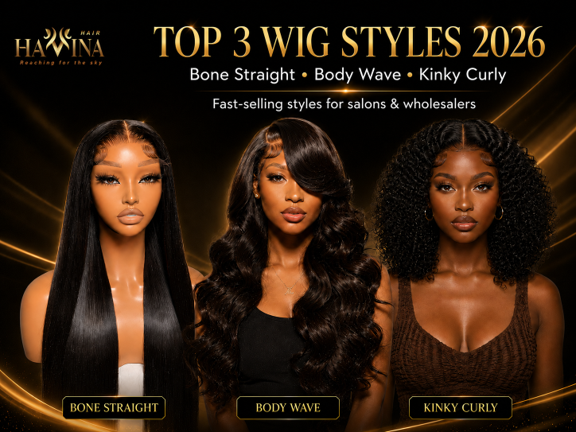
Popular wig styles often include bone straight wigs, body wave wigs, deep wave wigs, water wave wigs, kinky curly wigs, long lace wigs, and high-density wigs with full ends.
6. Can I order samples before buying wholesale?
Yes. Sample orders are useful for salon owners and wig sellers who want to check hair quality, lace, density, texture, and overall finishing before placing a larger wholesale order.
7. What is the difference between raw Vietnamese hair and mixed hair?
Raw Vietnamese hair is collected and processed carefully to preserve its natural quality. Mixed hair may contain hair from different sources, textures, or quality levels, which can lead to inconsistency, tangling, or shorter lifespan.
8. What does double-drawn hair mean?
Double-drawn hair means many shorter strands are removed from the bundle, making the hair look fuller and thicker from root to tip. This is a popular choice for luxury wigs and voluminous hairstyles.
9. Are hand-tied lace wigs better than machine-made wigs?
Hand-tied lace wigs usually offer a more natural hairline and better movement, while machine-made wigs are often more durable and cost-effective. The best choice depends on your target market, budget, and customer needs.
10. Does Havina Hair support African wig sellers and salon owners?
Yes. Havina Hair works with salon owners, wig brands, distributors, and wholesale buyers, including clients who need premium Vietnamese human hair wigs for African markets.